
Birthing a Whale
Embracing the grey around drugs, or birthing a grey whale calf: Same, same.

Toward the end of each year, mother humpback and grey whales begin their annual migration from the Northwest portion of the United States to the warmer waters of the Pacific. They’ve feasted on fish and krill and other sea delights throughout the summer and fall, packing on pounds while babies gestate in their bellies. When they head south, they start one grand season of fasting — swimming along shore toward the southern tip of the Baja California peninsula, where they give birth.
These are solitary creatures who have their calves in these warm southern waters, keeping them close long enough to teach them how to be whales. While they are down south, these mothers, who do not eat for six months or more until they return to the waters of Alaska and the great Northwest, are wrapped up in the business of passing along knowledge, and in the ancillary business of evading predators.
While in these waters, they spy hop, pushing their heads above the water, in order to see what’s around them.
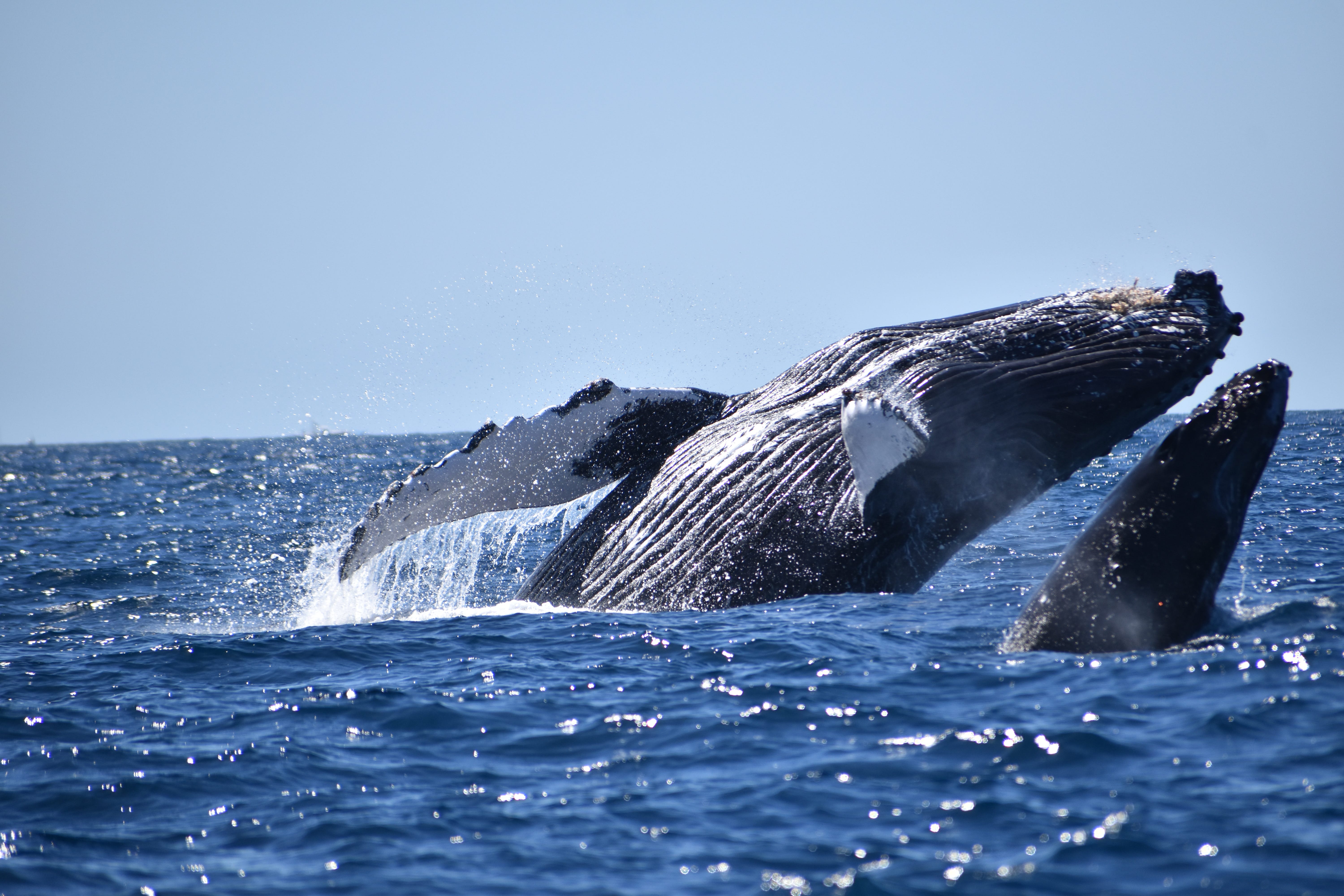
They leap from the sea, in an act called breaching, teaching their babies to do the same. It gives the babies a way to build strength, and helps the mothers slap away barnacle-predators that have accumulated on their bodies.
The sound of the breach-slap is a thrill to a human, but all this they do to help their progeny thrive on the journey northward. To us, it’s astonishing behavior that sticks in our souls. There is just something about a leviathan of a mother, who has not eaten for months, expending some 5,000 calories every time she breaches, all the name of teaching her young.
In the waters off Todos Santos, near a beach where baby turtles also begin their great migration northward, and off a road called Vista de las Ballenas, there is a sea shelf that is so close to shore that it seems like the grey whales are going to beach themselves, they’re getting so close. In reality, they go there to rub their backs and fins on the shelf, in hopes of removing some of the barnacles that live on their bodies. The surf is strong, the undertow just as mighty, but the risk is worth the reward. Vale la pena, because the barnacles slow them down.
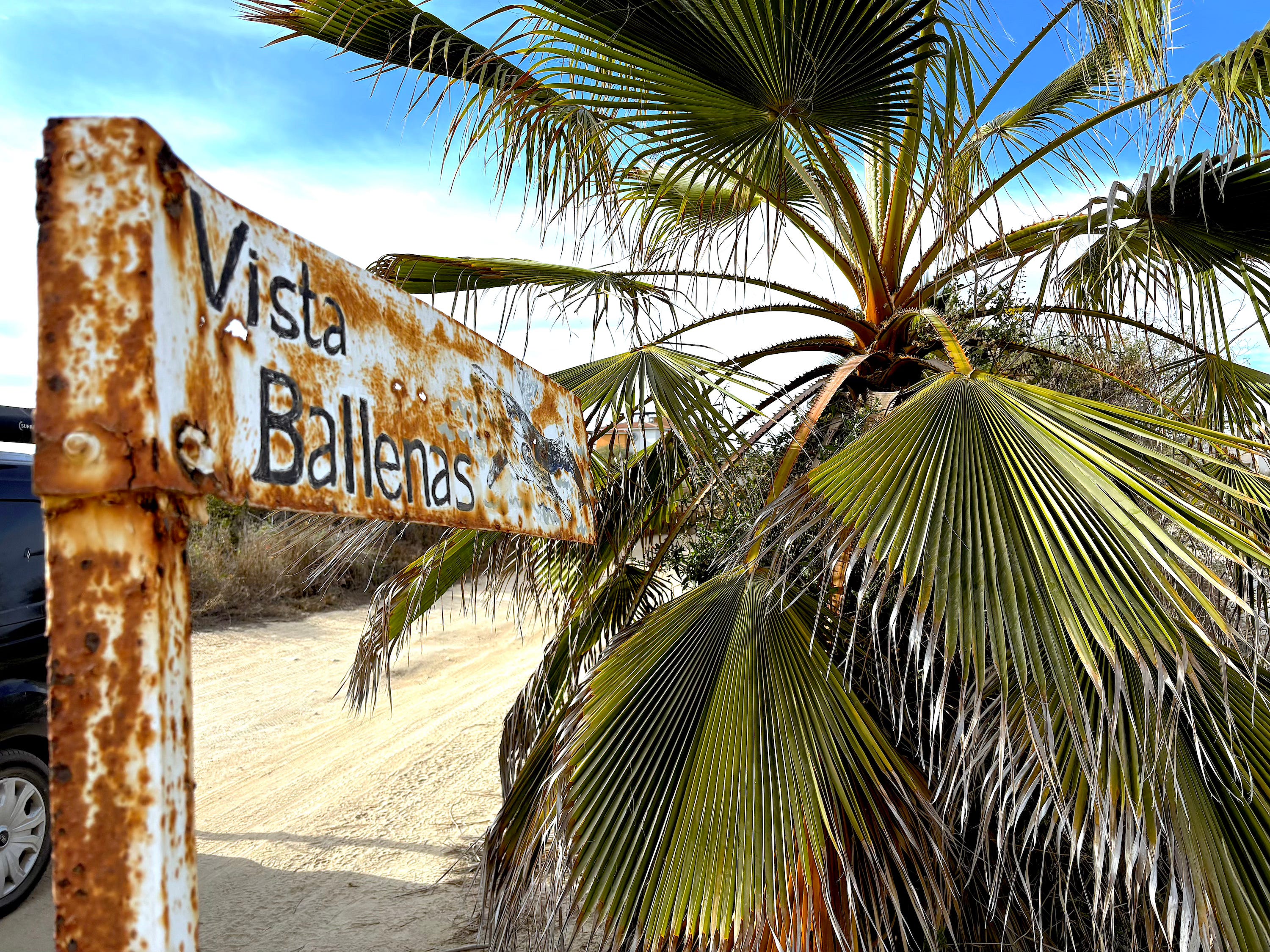
It was at this beach that these mothers and babies became my friends — my only friends in this place, really.
Toward the end of the year, I began a journey that originated in the great Northwest. I, too, headed south, aiming for the warmer waters of the Pacific, to rid myself of barnacles, and to birth not a giant grey whale calf, but a whale of a book that aims to embrace the grey around drugs.
Drugs are dangerous. Drugs are fun. Drugs killed someone we loved. These are the greys I tangle with each day here, in addition to the greys that live offshore. I can’t say exactly why I needed to leave the Northwest to birth this book, but maybe it was instinctual — in the same way it is for the greys and humpbacks.
As I sat at Vista de las Ballenas and watched a mother grey whale spout, or blow, her exhale of air above the surface of the Pacific, followed by the spout of her baby, I could not help but draw parallels to my own life.
This was a mother who had risked so much, who had sacrificed and fasted and traveled thousands of miles, all in the business of giving birth.
I, too, am a solitary creature whose baby is now out on her own. I have succeeded in teaching her the business of being a human, and now she swims alone.
Now I’m giving birth to another kind of baby.
I didn’t set out on this journey of book writing and driving to Mexico in a van and living so totally alone in a vast span of Baja Sur desert to say this thing I am saying now, but that’s where we are. It might sound “woo,” or be the most cliché kind of ‘90s-teen thing to be inspired by whales and their journey, but I am — immensely.
I’m birthing a whale, and in the doing, I’m ridding myself of the predators of trauma and abuse that came from experiencing what I experienced with my daughter’s father and former partner, who died by fentanyl overdose after a 20-year addiction cycle.
The barnacles were slowing me down, so now I swim close to a place where I might beach myself, in hopes of scraping myself free. This is my Self Medication.
Whale love is so real , I was there just one year ago! So lovely